What determines the price of a wedding dress?
Two dresses in a similar style can be priced very differently. Here is what you are actually paying for, which costs beyond the dress are easy to forget, and how to plan your budget without unwelcome surprises.

How much will my dress cost? It is one of the first questions after the engagement, right alongside “which style?”. The honest answer is: it depends. But “it depends” is not much use when you are drawing up a wedding budget. So here is what we tell brides in our salon at ul. Lipowa 18 every day: what makes one dress cost more than another, which costs come on top of the dress itself, and how to plan your budget so that choosing your dress is a pleasure rather than an anxious sum.
What determines the price of a wedding dress?
Two dresses in a similar style can be priced very differently. A handful of factors make the difference, and they are worth knowing before you start trying things on — it makes it far easier to see what you are paying for and where you can save without regret.
Fabric and embellishment
Plain crepe or light tulle costs less than heavy satin, mikado or a dress made entirely of lace. The biggest jump, though, comes from handwork: appliqués sewn on one by one, pearls, sequins, crystals, or glitter tulle that catches the light with every step. The more hours of a seamstress’s work a dress holds, the higher its price. Quality counts too: dense, soft lace and carefully finished seams cost more than cheaper alternatives, but they hang better and look lovelier up close — in photographs as well.
Construction
A boned corset, built-in cups, several layers of skirt, a long train, detachable sleeves or an overskirt — each one means more fabric and more precise work. That is why a simple crepe sheath can cost less than a full princess gown, although both can look equally elegant. Construction also affects alterations later on: a simple cut is usually quicker and easier to fit than a dress with several layers of tulle and lace along the hem.
Collection and season
Styles from the newest collection usually cost more than last season’s — even though the difference often comes down to details your guests will never notice. When new collections arrive in the salon, dresses from earlier seasons often appear at lower prices, for example in a sale. They are well worth asking about: they are often the very styles that were new in the salon not so long ago.
Made to order or available now
Many of our dresses are ordered to your measurements. That means the dress is made for you, but it also means production costs and a wait — usually several months. Dresses available straight away, such as those from earlier collections, are often noticeably cheaper, and once they have been altered in our studio you can take them home without waiting for a new one to be made.
Your wedding date
The more time you have before the wedding, the wider your choice — on price as well. A wedding just a few weeks away narrows your choice to dresses that are available now, and a rush rarely leads to sensible decisions. If you start early, you can compare several styles calmly and leave time for a made-to-order dress instead of deciding against the clock. Our guide When to buy a wedding dress sets out a timeline.
Remember, too, that the price tag is not the whole story. A dress that only needs taking up can turn out to be a better choice than a cheaper one whose corset has to be rebuilt.
The costs beyond the dress
The dress is the biggest part of your bridal look, but not the only one. These items are the ones most often left out of the plan, and each has its own “it depends”:
| Item | What the cost depends on |
|---|---|
| alterations | how much needs changing, the fabric and the number of layers — hemming a plain dress is less work than fitting a lace bodice |
| veil | its length, the number of layers and the finish: a raw edge, lace, pearls or glitter |
| shoes | the material and the comfort — choose a pair you can dance in all night |
| jewellery and hair accessories | the materials, and whether you buy new pieces or wear family heirlooms |
| underwear for the dress | the cut of the dress — a plunging neckline or an open back needs special solutions |
| cleaning after the wedding | the fabric, the length of the train and the amount of embellishment |
The simplest approach is to work it out straight away: list the accessories and write down how much you want to spend on each. Plan the alterations as a separate item, because their cost depends on the dress you choose. In our tailoring studio we price the work after a fitting, so you know where you stand before anything is done. You can read how alterations work in Wedding dress alterations — how long do they take?, and how to put your accessories together without overspending in Wedding dress accessories.
How to plan your wedding dress budget
A good budget is not a single figure but a few decisions made calmly before the first dress reaches the fitting room:
- Set an upper limit for the whole look — the dress, the accessories and the alterations together. It is far easier to stick to a figure you agreed at home than one you are rethinking in the fitting room.
- Decide what matters to you most. If you dream of lace all over, you can choose simpler shoes. If a long cathedral veil comes first, the dress can be more understated.
- Leave room for surprises. An extra fitting, a change of heel or bigger alterations can catch you out — it is better to have a reserve than to take money from other parts of the wedding.
- Talk to the family members who want to contribute. Agree on the details before your visit to the salon, not while you are choosing the dress.
How to stay within your wedding dress budget
A beautiful dress does not have to mean a blown budget. These are the tips we give most often:
- Ask about dresses from earlier collections. Last season’s styles still look current, and their prices are often noticeably lower.
- Consider renting. If keeping the dress does not matter to you, our wedding dress rental lets you wear a beautiful dress for less — you pay to wear it, not to own it. We weigh up both options in Buy or rent a wedding dress?
- Choose one strong statement. A simple cut with exceptional lace on the back or an interesting neckline looks luxurious, and usually costs less than a dress embellished from top to bottom.
- Narrow things down before your visit. With our virtual try-on you can see which styles you feel good in and arrive at the salon with a shorter list.
- Start early. More time means more comparisons and fewer decisions made against the clock.
How to talk about your budget at the salon
You don’t have to type a figure anywhere. Just book a fitting and, at the start of your visit, tell your stylist how much you would like to spend on the dress. That way she won’t spend your time on dresses that were never in the running, and she will tell you the price of any dress you like there and then.
If you add your measurements on the booking form, the dresses will be waiting for you in your size. A visit to our salon at ul. Lipowa 18 is free, takes about 90 minutes and comes with no obligation to buy. We see one bride at a time, so you can talk about money openly, with nobody else in the room.
While you are there, ask how payment works — the terms for a made-to-order dress may differ from those for a dress available straight away. Your stylist will explain how it works for the dress you have chosen.
FAQ
- #wedding dress price
- #wedding budget
- #wedding dress
- #Białystok bridal salon
Keep reading
All articles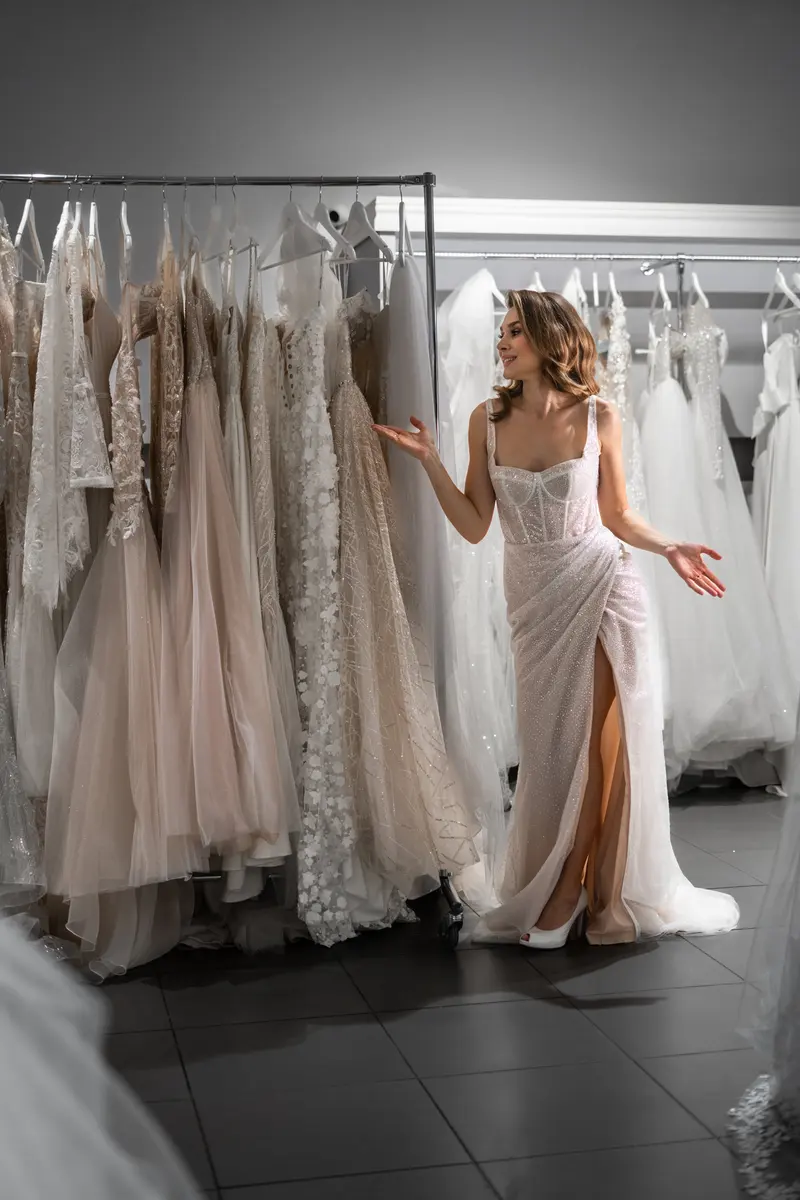
Buy or rent a wedding dress?
We compare costs, fitting options and what you’re left with after the wedding.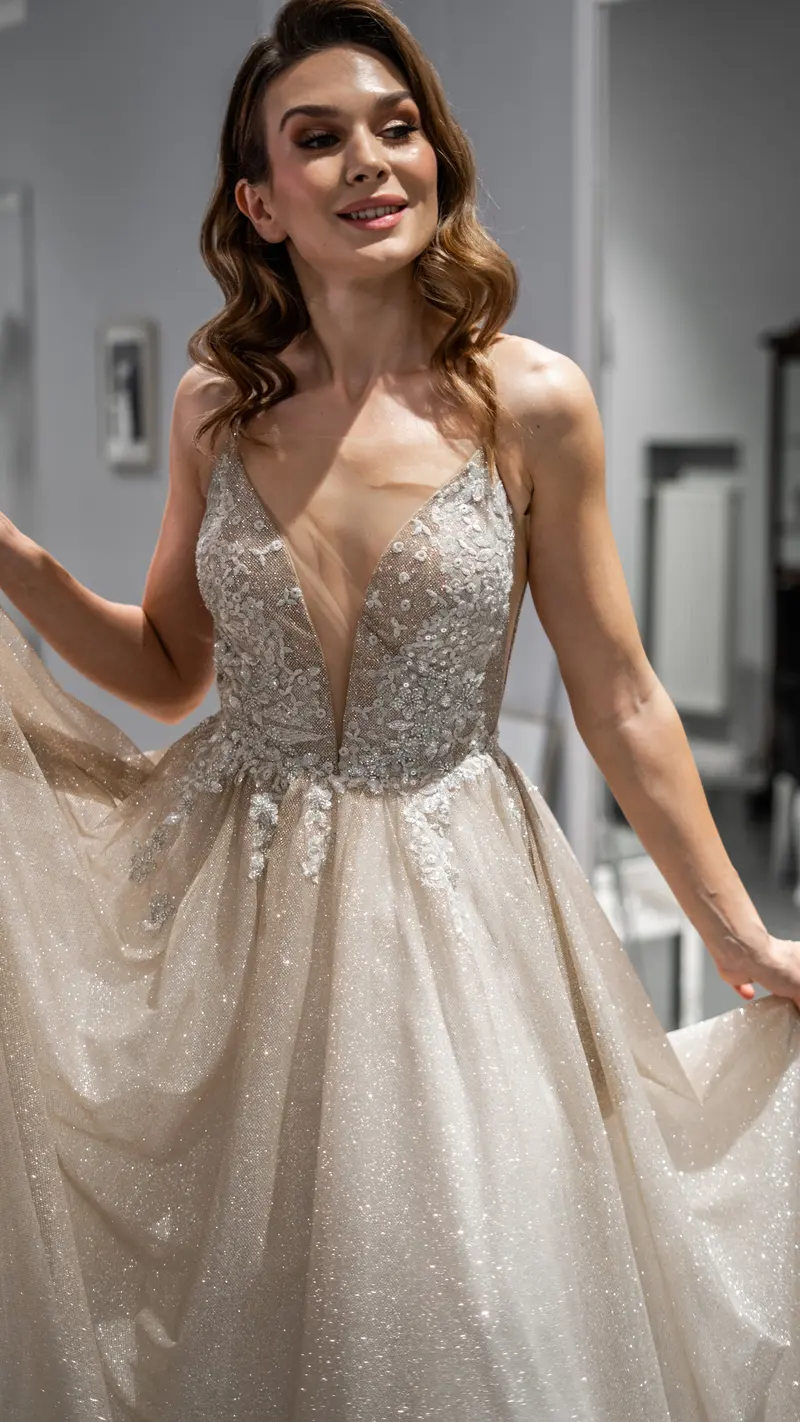
How much does a wedding dress cost? What sets the price
From a few hundred złoty in a sale to well over PLN 10,000 for a premium gown — wedding dress prices can raise eyebrows. Here is what you are actually paying for, which price ranges are typical in Białystok and how to set a budget without unwelcome surprises.
How to prepare for a wedding dress fitting
Your first fitting is one of the loveliest moments of wedding planning. Here’s how to prepare so you make the most of it — and leave the salon smiling.


